CRADLE Office - Silicon Valley
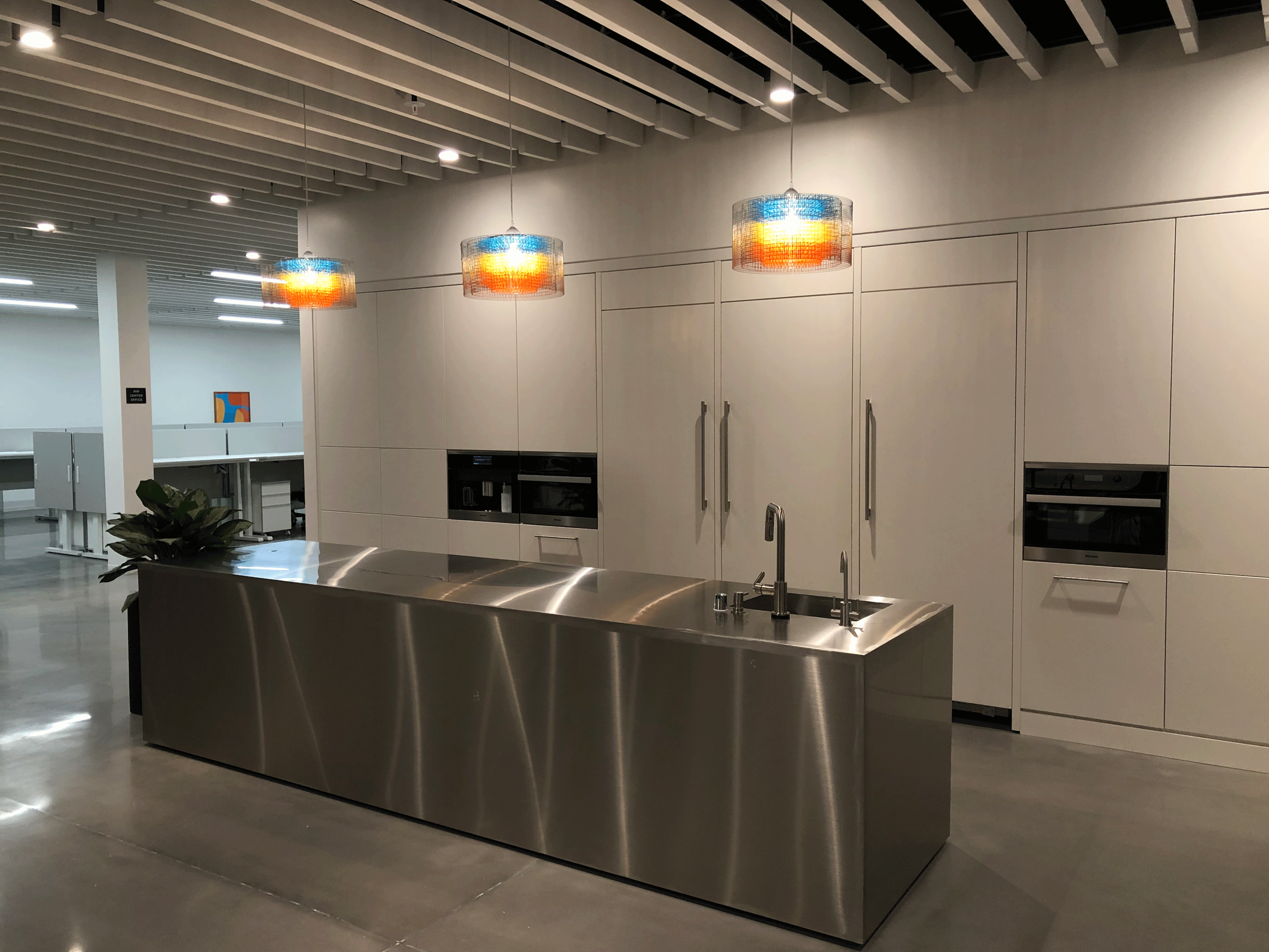
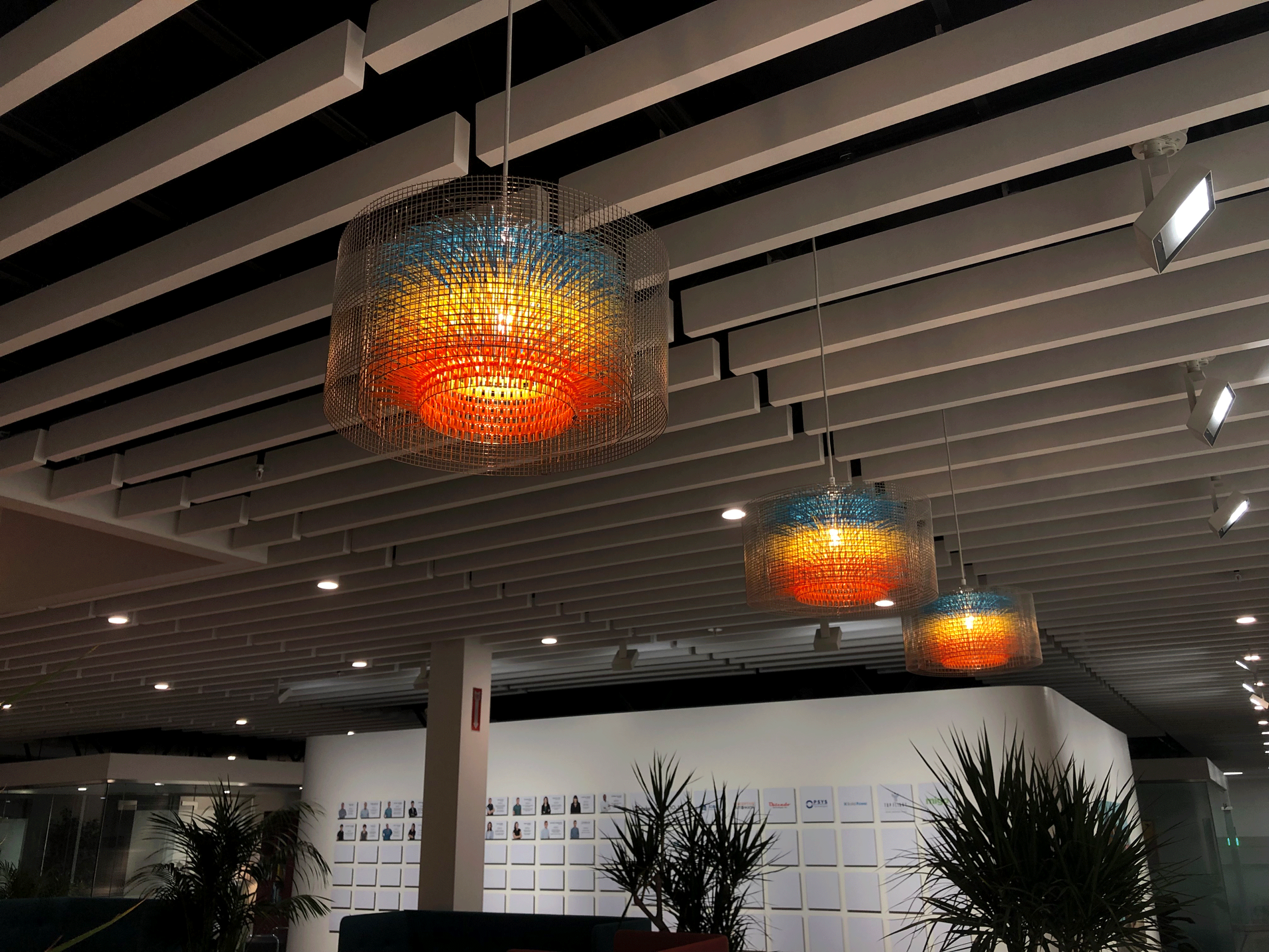
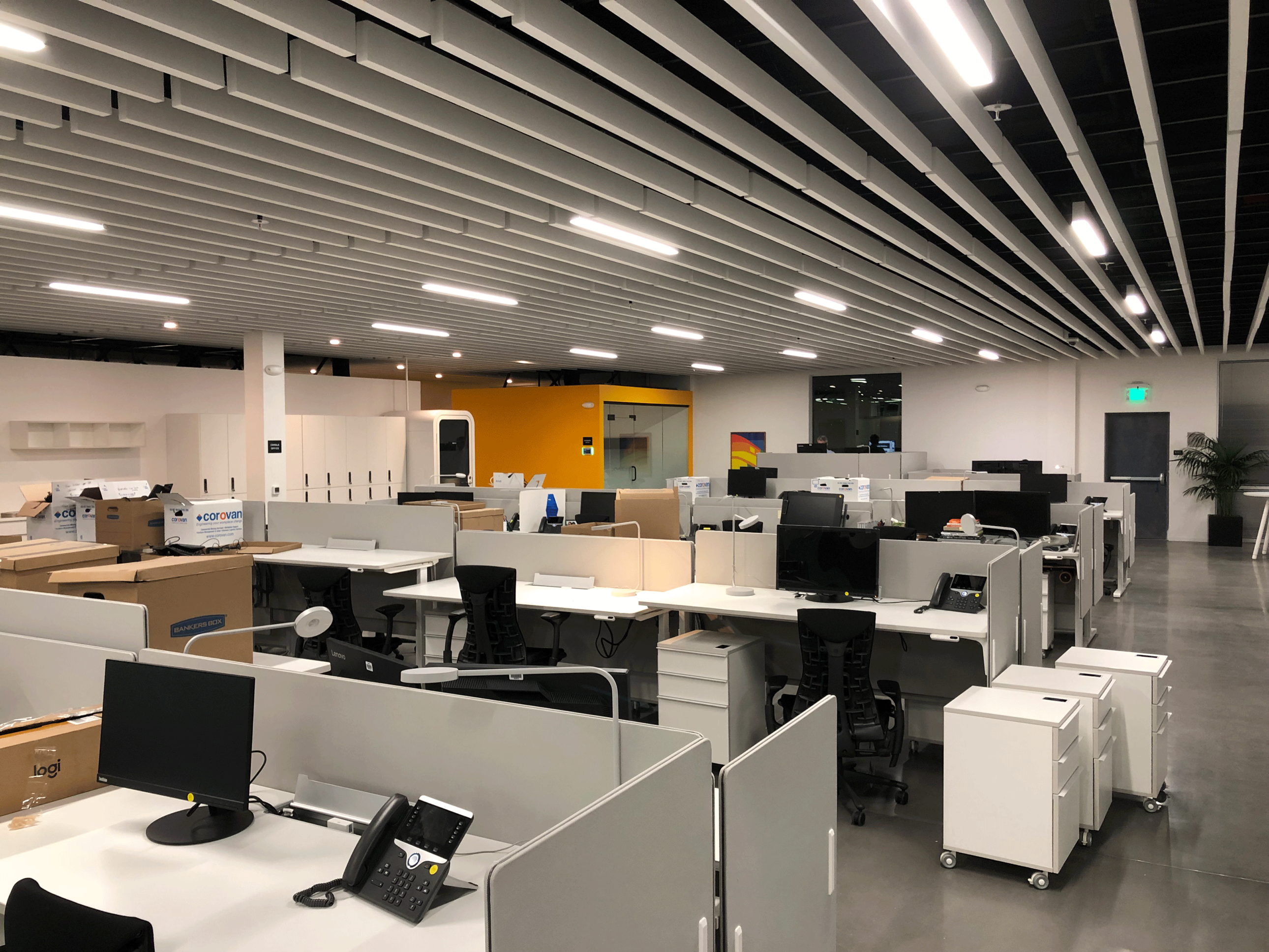
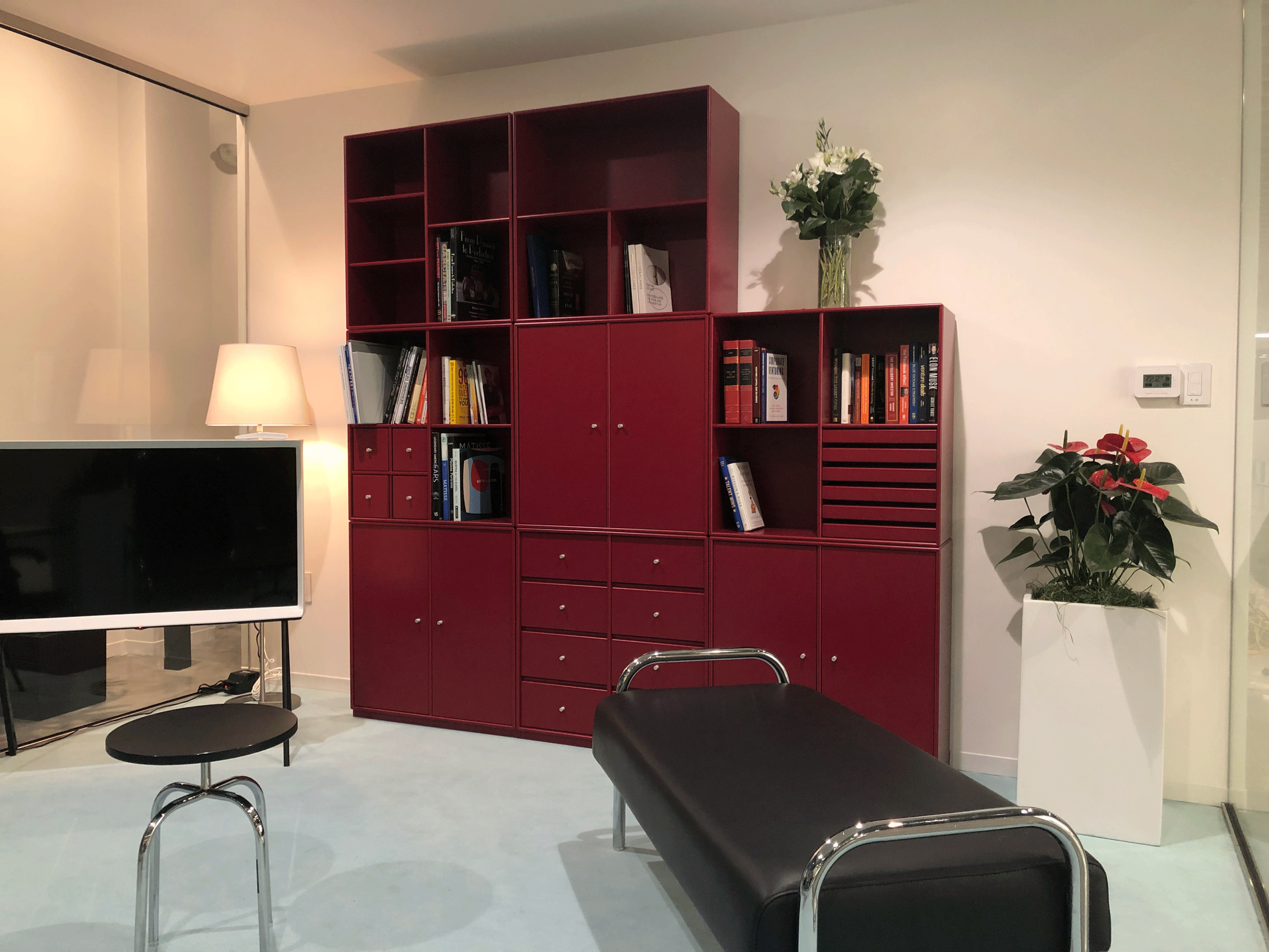
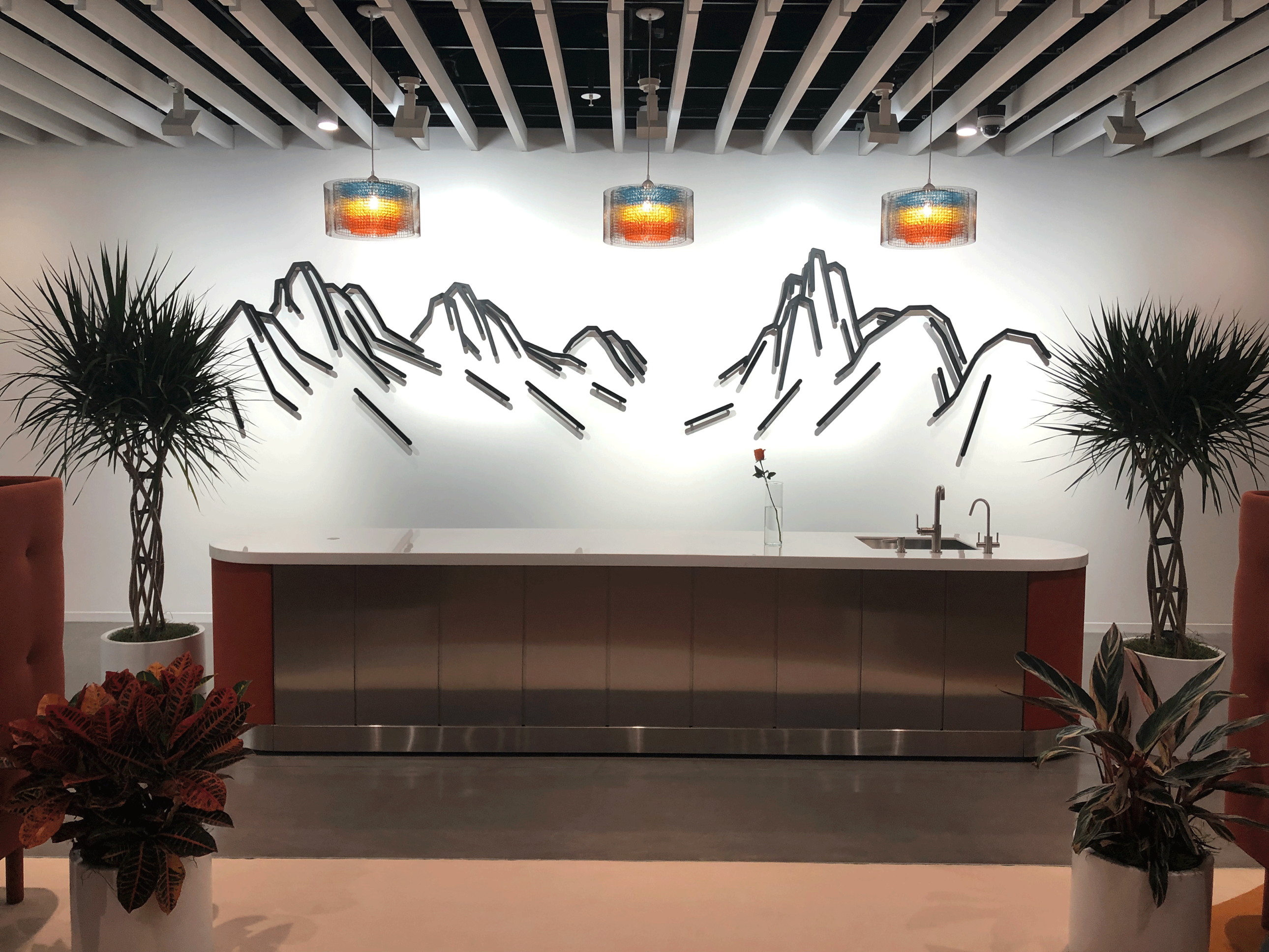
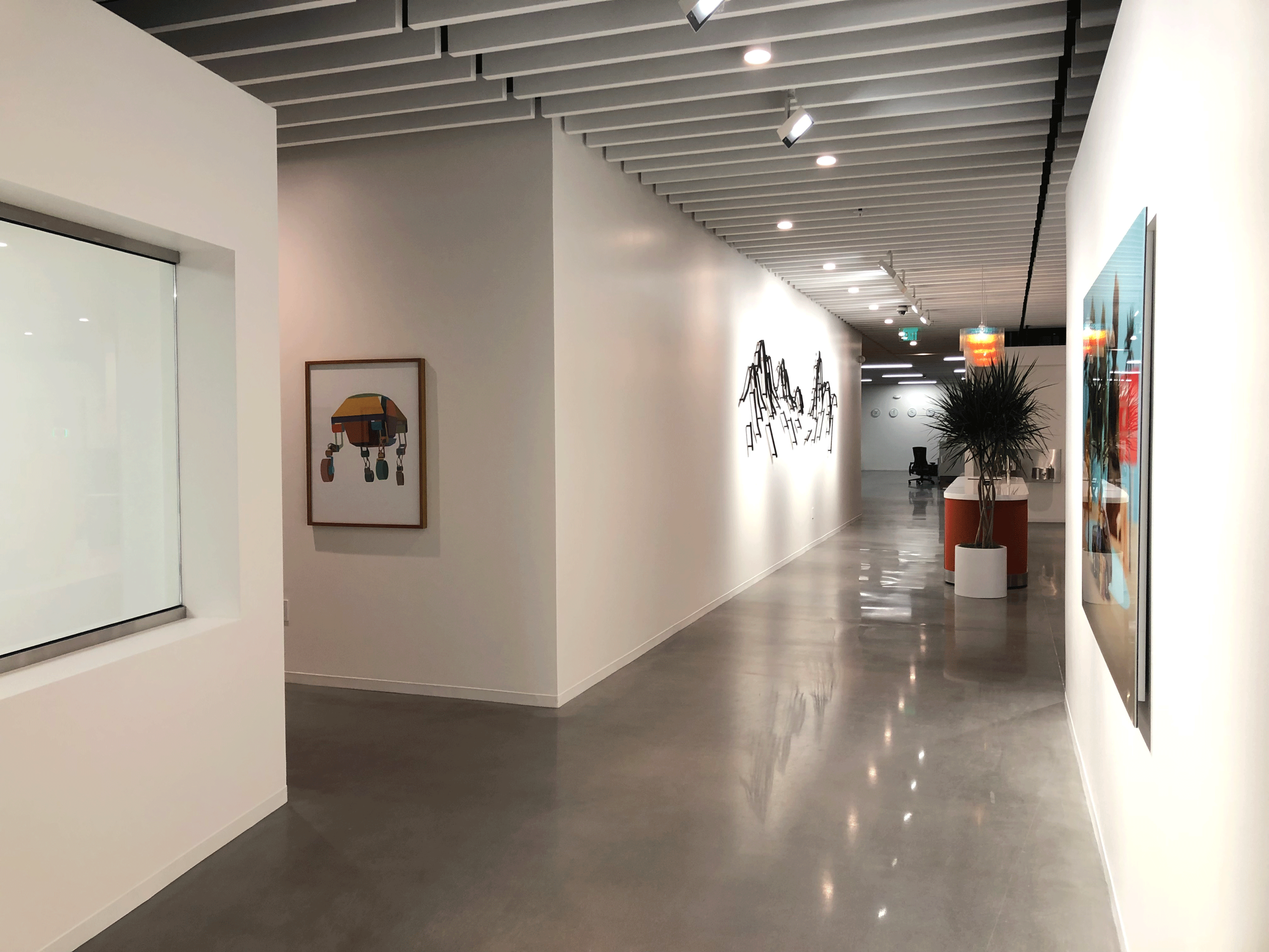
크래들(CRADLE)은 현대차그룹이 2017년 설립한 글로벌 오픈 이노베이션 허브로, 기술 혁신과 스타트업 협업을 위한 플랫폼이다. 환경과 에너지, 미래 모빌리티를 핵심 의제로 삼아 실리콘밸리, 베이징, 베를린, 텔아비브 등 전 세계 4개 도시에 조성되었다.
이 프로젝트는 현대차그룹의 오픈 이노베이션 공간인 제로원(Zer0ne)의 공간 디자인을 통해 제안된 개념을 확장하는 지점에서 출발했다. 제로원에서 시도된 ‘도시를 압축한 구조’, ‘이동과 연결을 전제로 한 공간 구성’, ‘디지털과 물리적 노동이 공존하는 창작 환경’이라는 개념은, 이후 크래들 오피스를 위한 새로운 공간 모델로 재해석되었다.
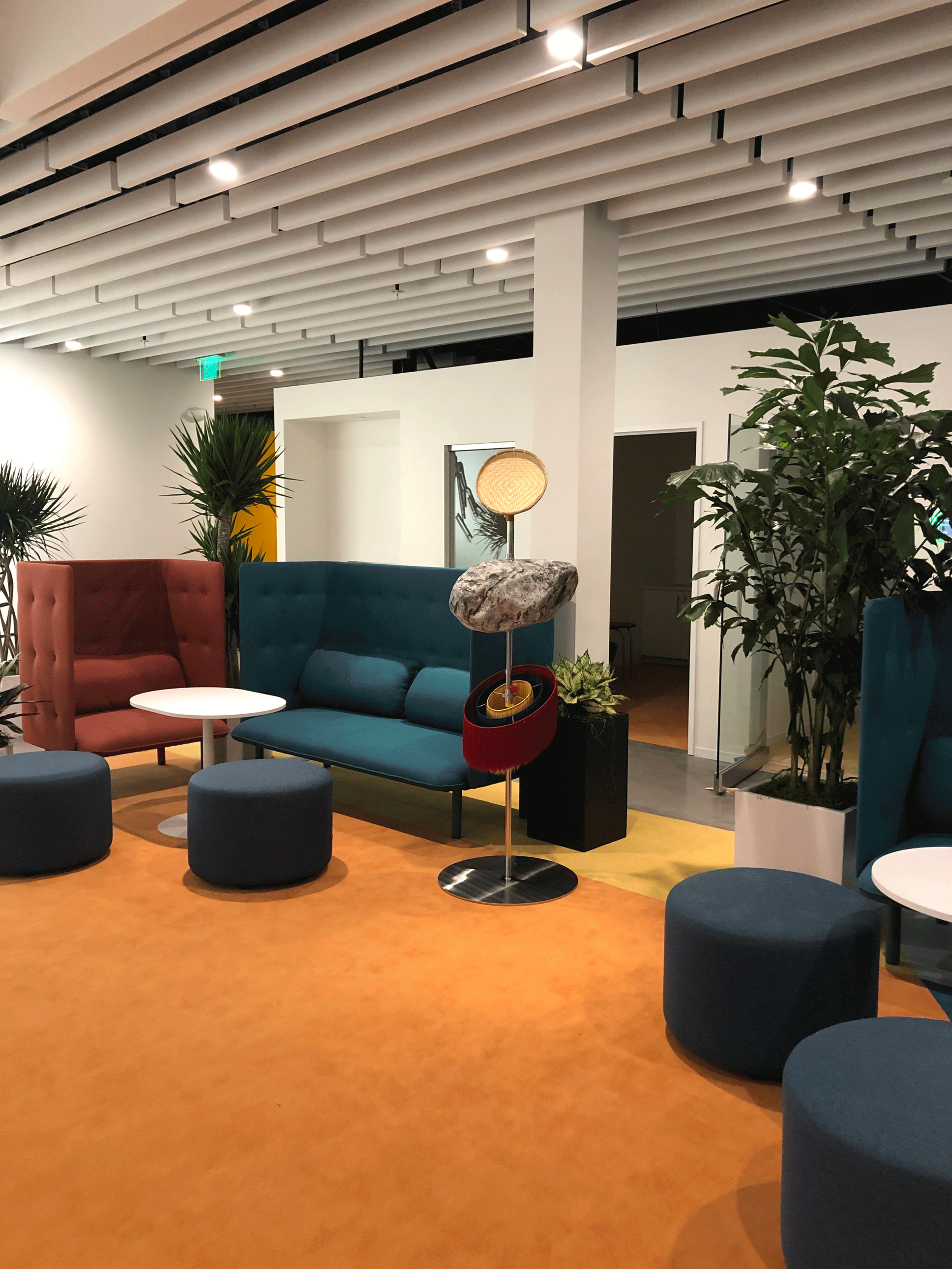
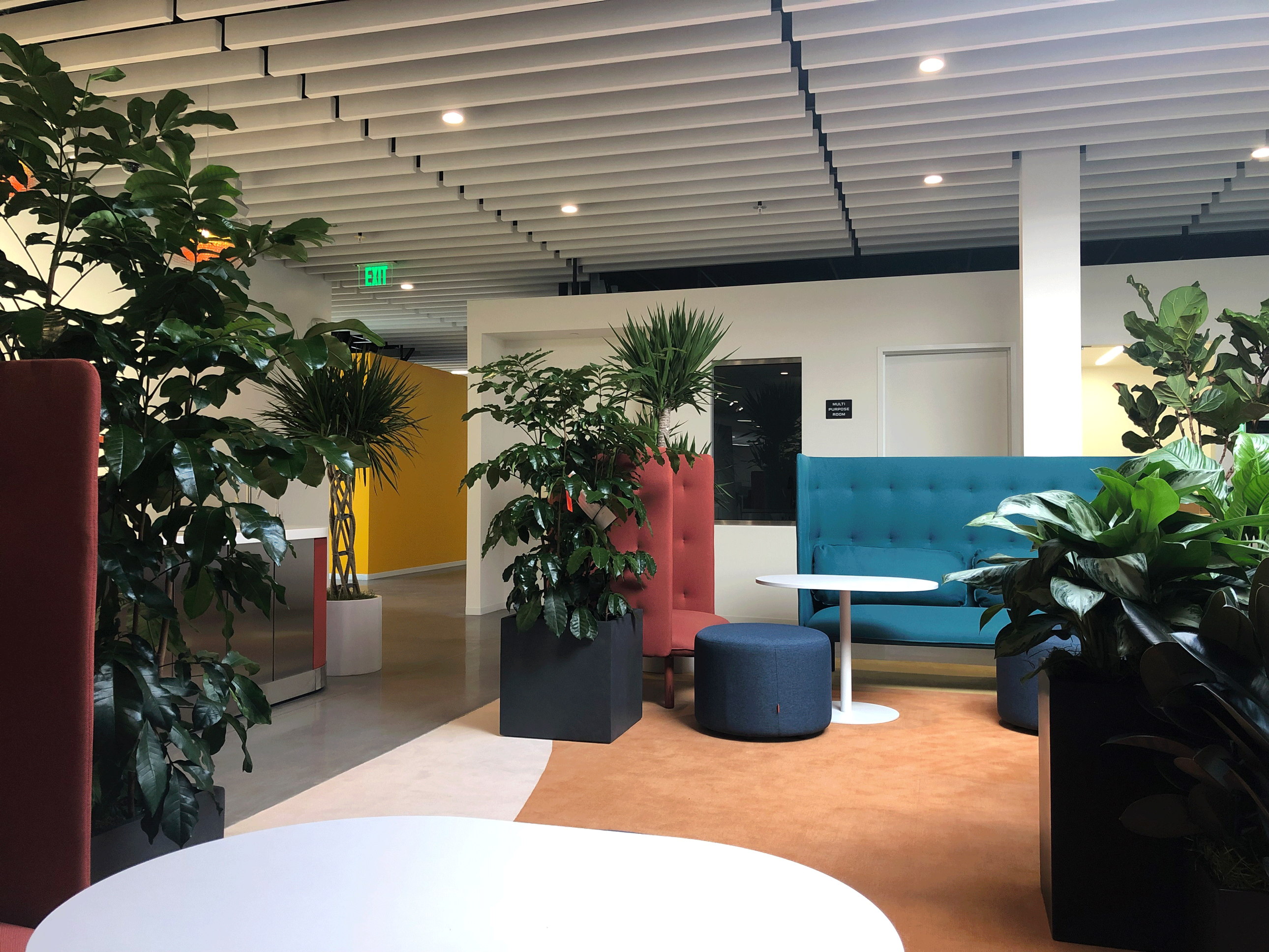
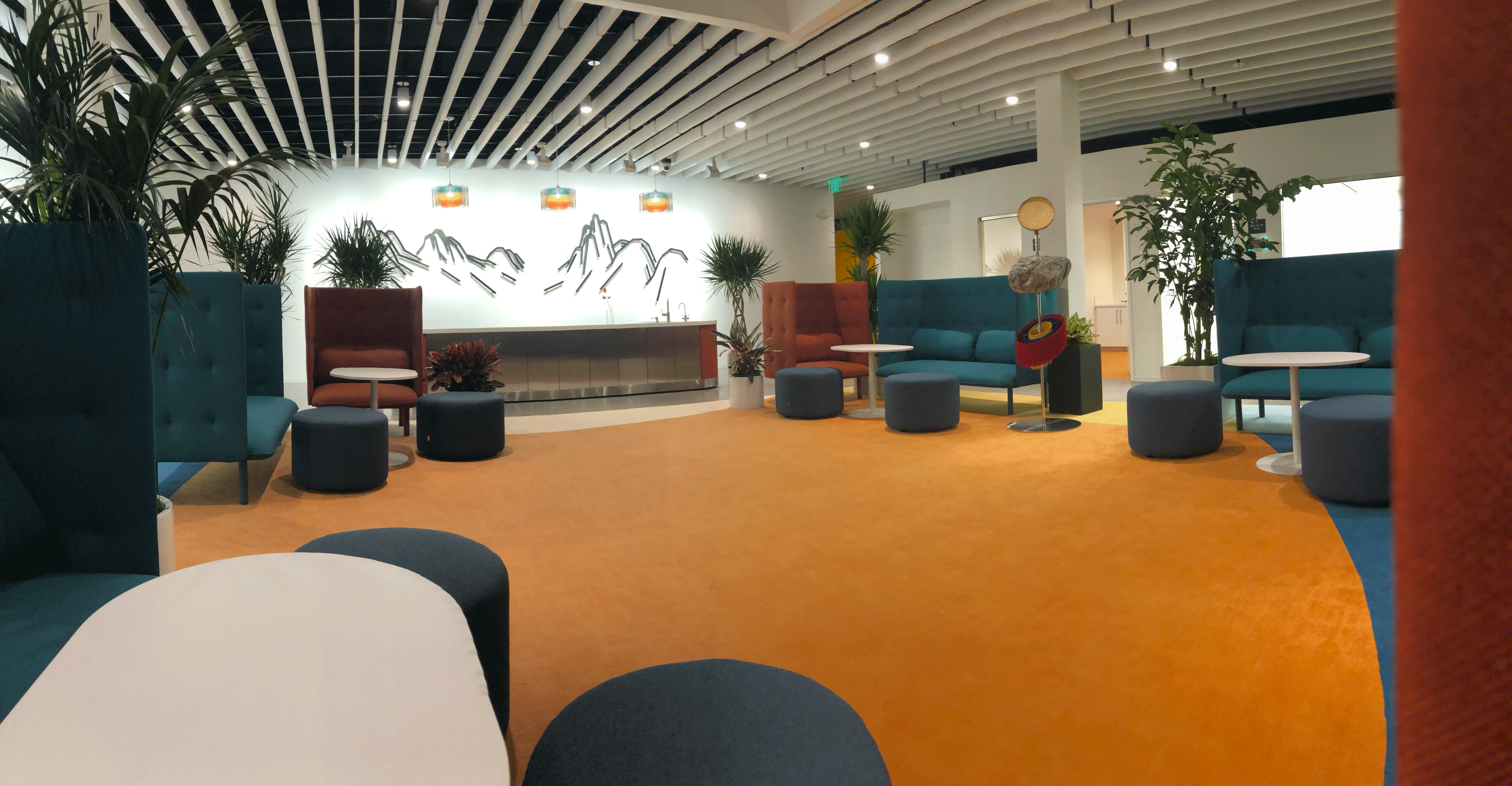
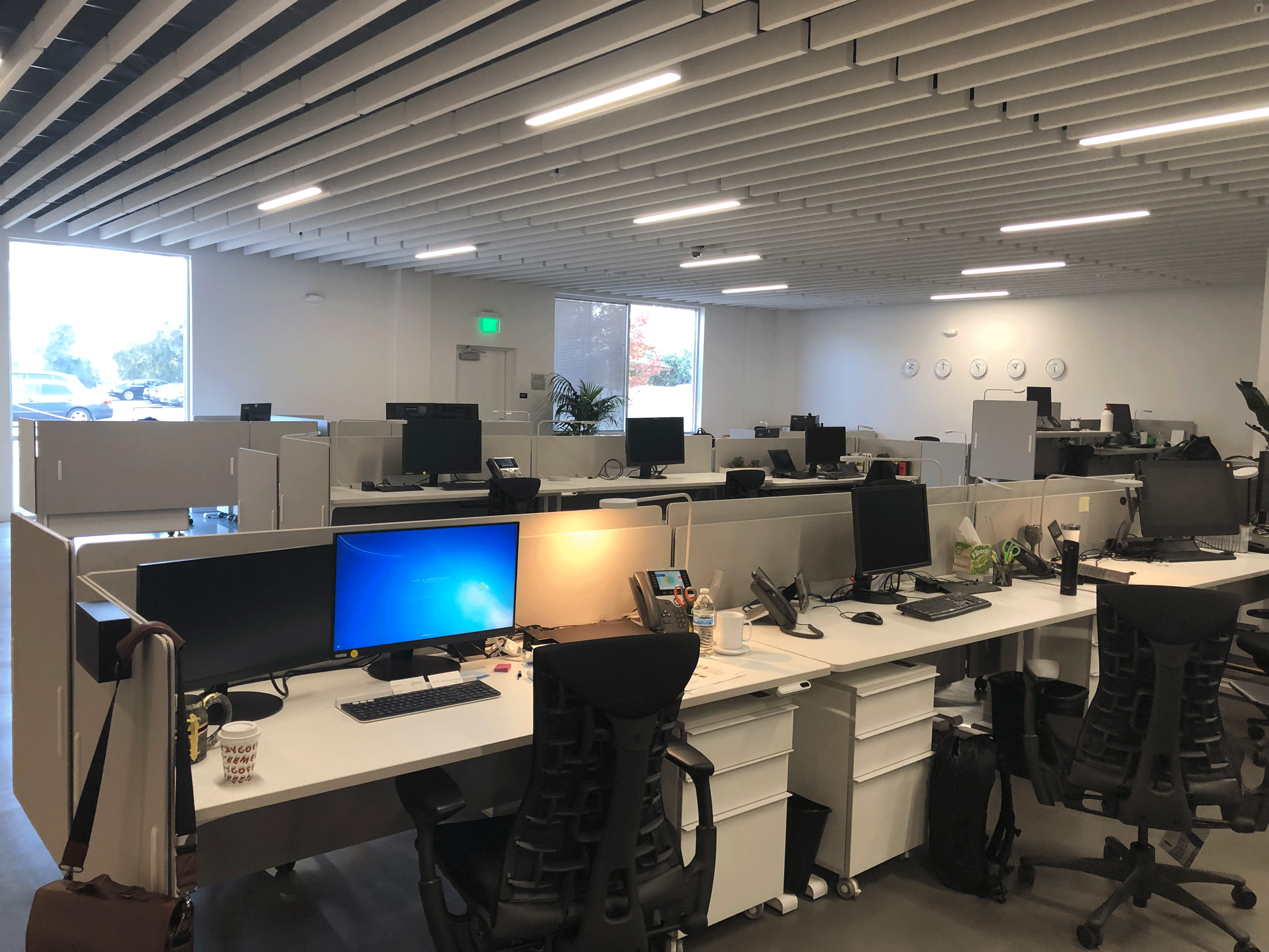
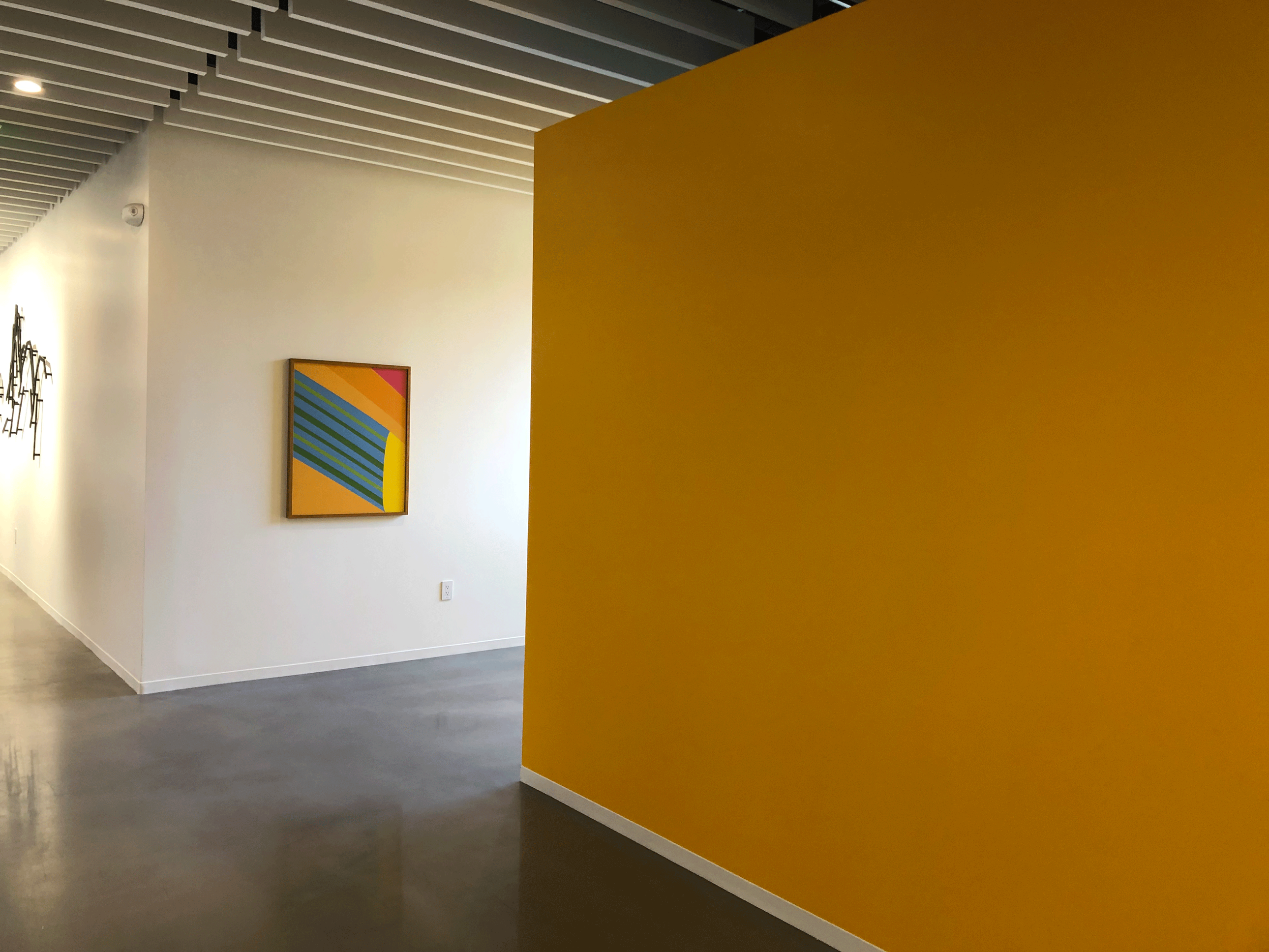
크래들 오피스는 기존의 효율 중심 오피스 구조를 해체하고, 미래 모빌리티가 제안하는 이동·연결·전환의 개념을 공간의 동선과 구조로 번역하는 방식으로 설계되었다. 오피스는 하나의 고정된 장소가 아니라, 아이디어와 사람이 끊임없이 이동하고 교차하는 플랫폼으로 구성되었으며, 공간 사이에는 골목과 광장처럼 느슨한 경계의 영역들이 삽입되었다.
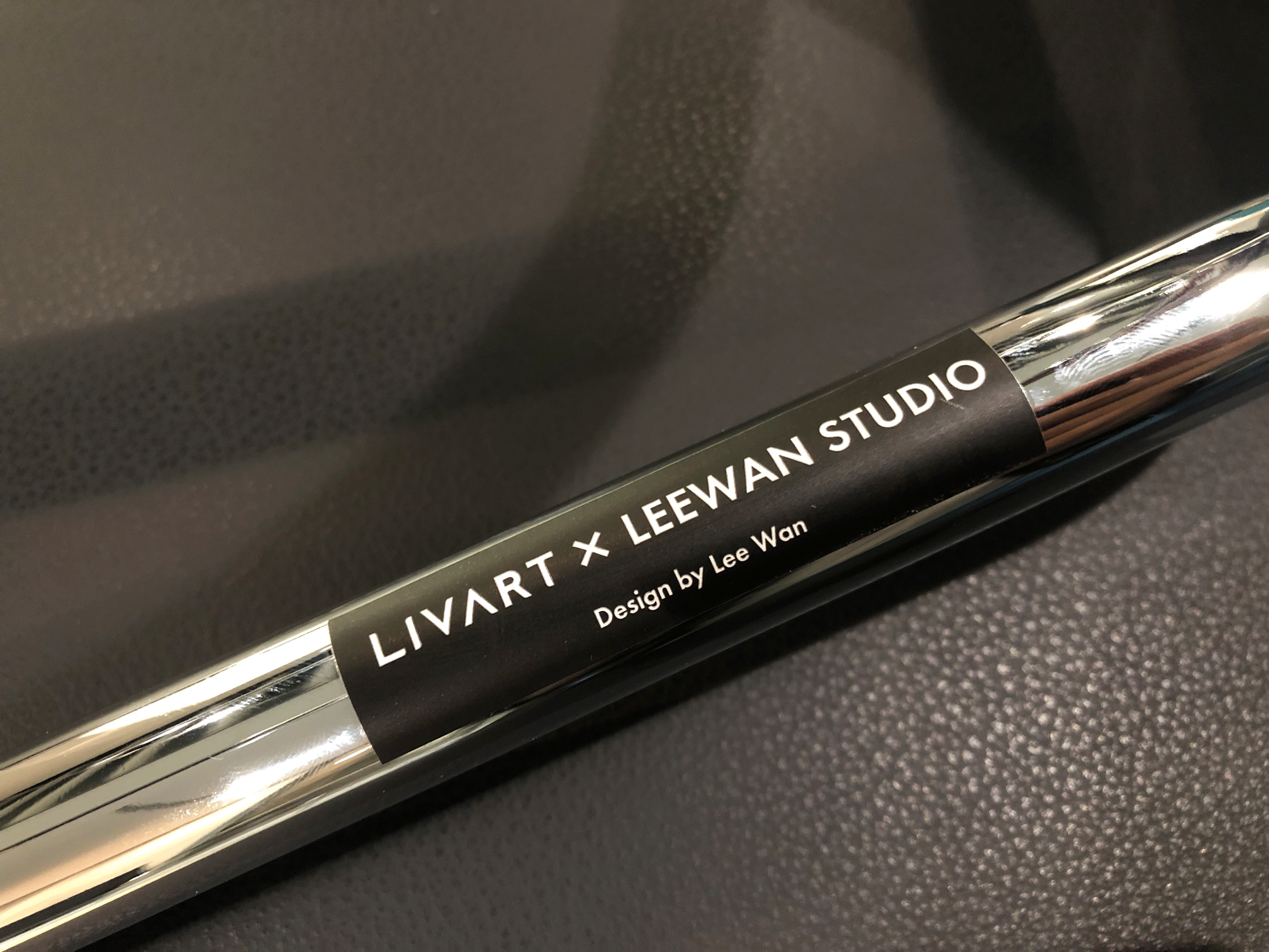
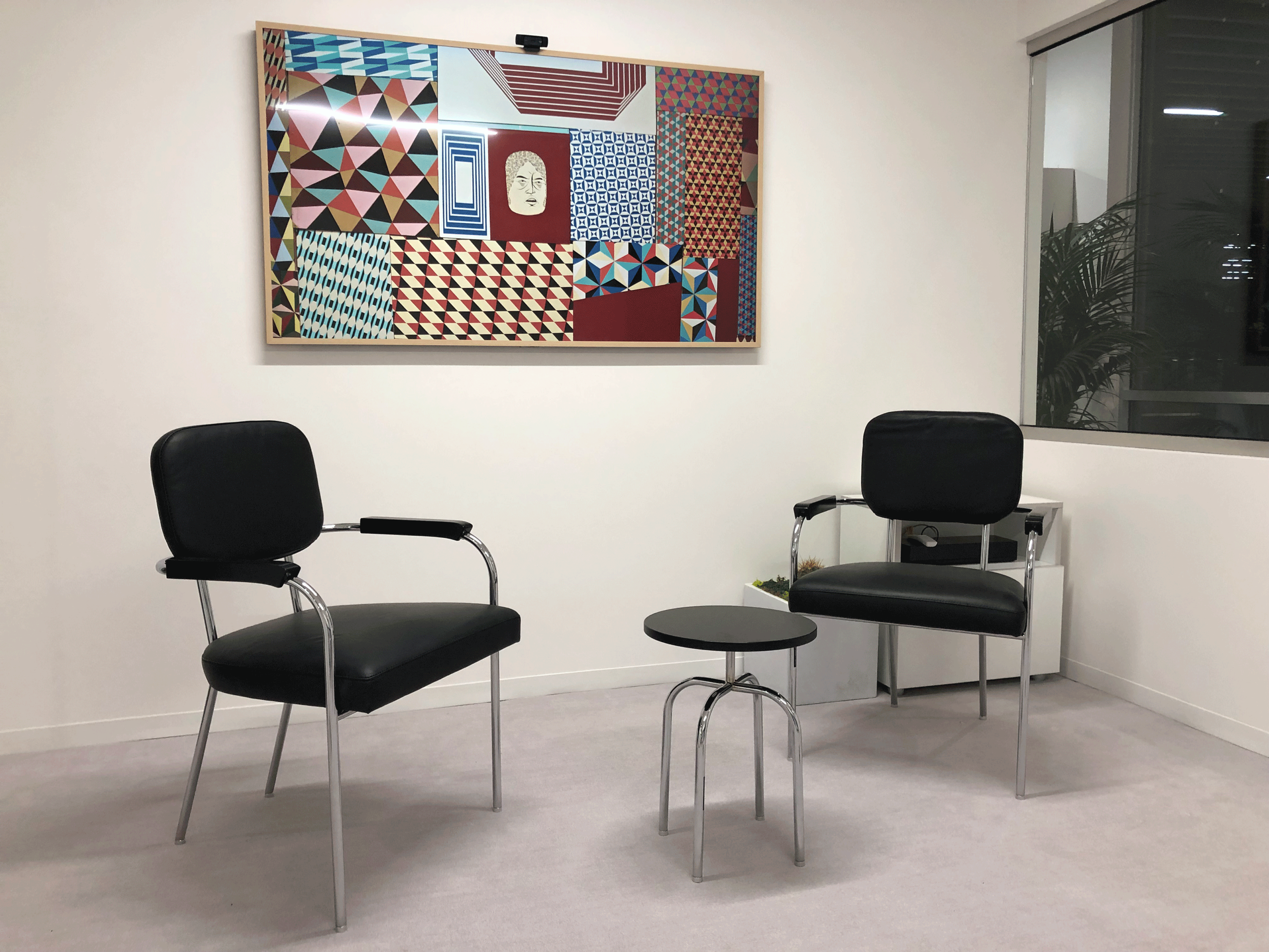
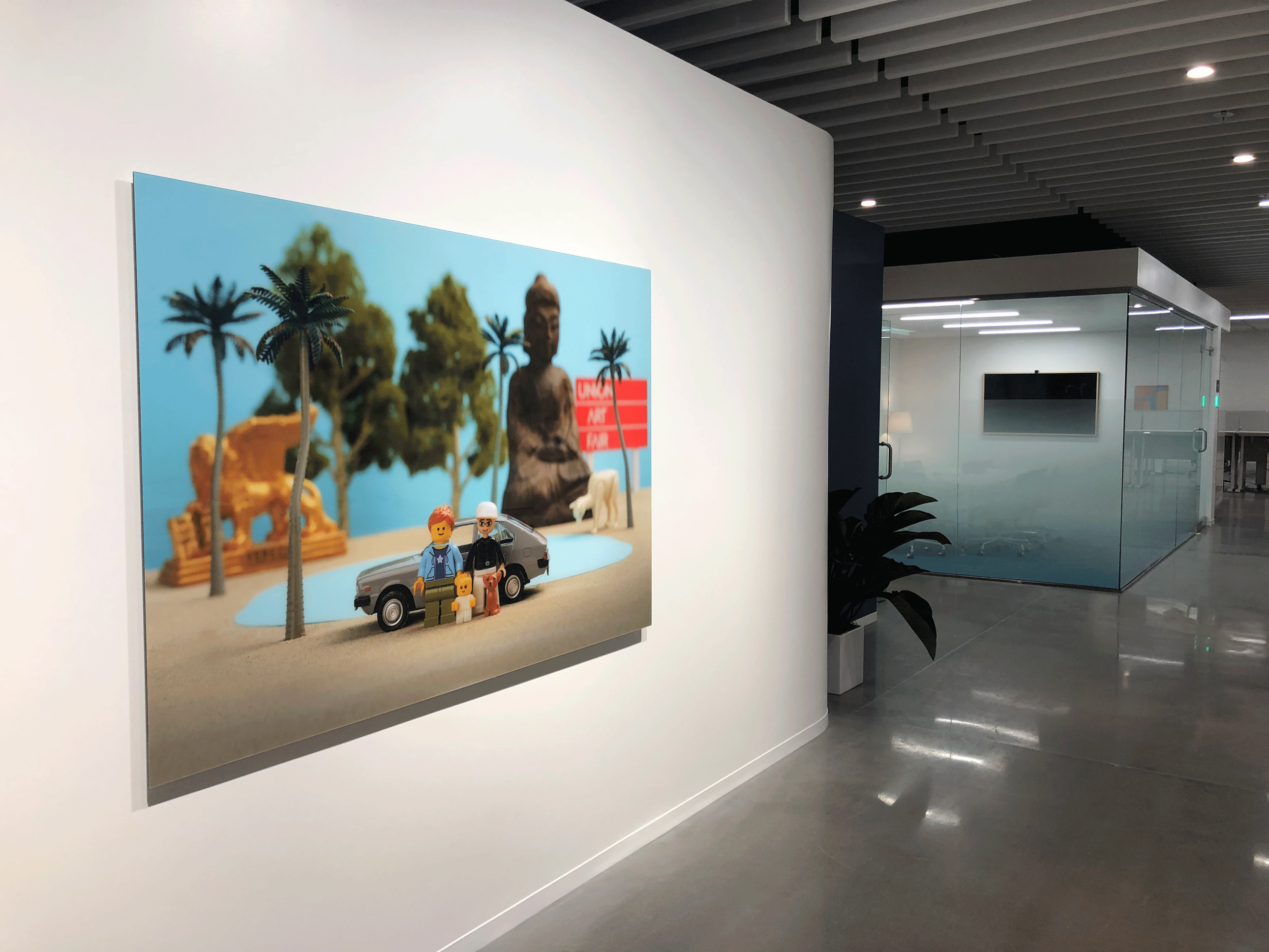
이러한 공간 개념은 커미션 아트워크와 가구 디자인으로도 확장되었다. 이동성과 모듈 구조를 전제로 제작된 가구와 아트워크는 단순한 장식이 아니라, 공간의 사용 방식과 사고의 흐름을 유도하는 장치로 기능한다. 이는 제로원 공간에서 실험되었던 ‘기술과 신체적 경험, 예술과 노동이 교차하는 환경’이라는 개념을 크래들 오피스 전반으로 확장한 결과다.
약 2년에 걸쳐 진행된 이 프로젝트를 통해, 크래들은 단순한 업무 공간을 넘어 현대차가 상상하는 미래 모빌리티의 개념을 공간적으로 체험할 수 있는 플랫폼으로 구축되었다. 크래들 오피스는 기술 혁신의 결과물이 아니라, 기술이 작동하기 이전의 사고 방식과 관계 구조를 공간으로 제안하는 장치로 기능한다.
이 프로젝트는 현대차그룹의 오픈 이노베이션 공간인 제로원(Zer0ne)의 공간 디자인을 통해 제안된 개념을 확장하는 지점에서 출발했다. 제로원에서 시도된 ‘도시를 압축한 구조’, ‘이동과 연결을 전제로 한 공간 구성’, ‘디지털과 물리적 노동이 공존하는 창작 환경’이라는 개념은, 이후 크래들 오피스를 위한 새로운 공간 모델로 재해석되었다.
크래들 오피스는 기존의 효율 중심 오피스 구조를 해체하고, 미래 모빌리티가 제안하는 이동·연결·전환의 개념을 공간의 동선과 구조로 번역하는 방식으로 설계되었다. 오피스는 하나의 고정된 장소가 아니라, 아이디어와 사람이 끊임없이 이동하고 교차하는 플랫폼으로 구성되었으며, 공간 사이에는 골목과 광장처럼 느슨한 경계의 영역들이 삽입되었다.
이러한 공간 개념은 커미션 아트워크와 가구 디자인으로도 확장되었다. 이동성과 모듈 구조를 전제로 제작된 가구와 아트워크는 단순한 장식이 아니라, 공간의 사용 방식과 사고의 흐름을 유도하는 장치로 기능한다. 이는 제로원 공간에서 실험되었던 ‘기술과 신체적 경험, 예술과 노동이 교차하는 환경’이라는 개념을 크래들 오피스 전반으로 확장한 결과다.
약 2년에 걸쳐 진행된 이 프로젝트를 통해, 크래들은 단순한 업무 공간을 넘어 현대차가 상상하는 미래 모빌리티의 개념을 공간적으로 체험할 수 있는 플랫폼으로 구축되었다. 크래들 오피스는 기술 혁신의 결과물이 아니라, 기술이 작동하기 이전의 사고 방식과 관계 구조를 공간으로 제안하는 장치로 기능한다.
CRADLE is a global open innovation hub established by Hyundai Motor Group in 2017 as a platform for collaboration with emerging technologies and startups. Built around key agendas including environment, energy, and future mobility, CRADLE operates across four cities worldwide: Silicon Valley, Beijing, Berlin, and Tel Aviv.
This project began as an extension of the spatial concepts developed through the Zer0ne space, Hyundai Motor Group’s open innovation platform. Ideas first explored in Zer0ne—such as a compressed urban structure, spatial organization based on movement and connectivity, and an environment where digital processes coexist with physical labor—were reinterpreted and expanded into a new spatial model for CRADLE offices.
Rather than adhering to efficiency-driven office layouts, CRADLE offices were designed by dismantling conventional workplace structures and translating the principles of future mobility—movement, connection, and transition—into spatial circulation and architecture. The office functions not as a fixed workplace, but as a platform where people and ideas continuously move, intersect, and reconfigure. Transitional zones resembling alleys and plazas were inserted between spaces, creating flexible boundaries and multiple modes of encounter.
These spatial ideas were further extended through commissioned artworks and furniture. Designed with mobility and modularity in mind, the furniture and artworks operate not as decorative elements but as devices that shape patterns of use and ways of thinking within the space. This approach expands the experimental framework of Zer0ne—where technology, bodily experience, art, and labor intersect—across the entire CRADLE environment.
Developed over a period of approximately two years, the CRADLE offices were realized as platforms that allow visitors to spatially experience Hyundai Motor Group’s vision of future mobility. Rather than presenting technology as a finished product, the space functions as a device that proposes new ways of thinking and forming relationships before technology is fully realized.
This project began as an extension of the spatial concepts developed through the Zer0ne space, Hyundai Motor Group’s open innovation platform. Ideas first explored in Zer0ne—such as a compressed urban structure, spatial organization based on movement and connectivity, and an environment where digital processes coexist with physical labor—were reinterpreted and expanded into a new spatial model for CRADLE offices.
Rather than adhering to efficiency-driven office layouts, CRADLE offices were designed by dismantling conventional workplace structures and translating the principles of future mobility—movement, connection, and transition—into spatial circulation and architecture. The office functions not as a fixed workplace, but as a platform where people and ideas continuously move, intersect, and reconfigure. Transitional zones resembling alleys and plazas were inserted between spaces, creating flexible boundaries and multiple modes of encounter.
These spatial ideas were further extended through commissioned artworks and furniture. Designed with mobility and modularity in mind, the furniture and artworks operate not as decorative elements but as devices that shape patterns of use and ways of thinking within the space. This approach expands the experimental framework of Zer0ne—where technology, bodily experience, art, and labor intersect—across the entire CRADLE environment.
Developed over a period of approximately two years, the CRADLE offices were realized as platforms that allow visitors to spatially experience Hyundai Motor Group’s vision of future mobility. Rather than presenting technology as a finished product, the space functions as a device that proposes new ways of thinking and forming relationships before technology is fully realized.
commissioned by · Hyundai Motor Group